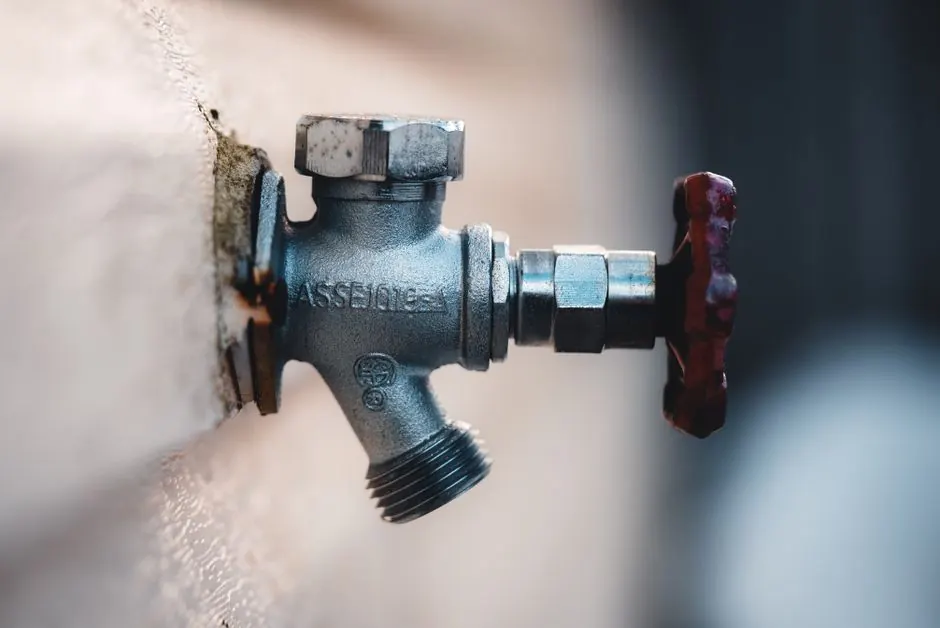
Backflow prevention is a critical aspect of plumbing that many homeowners overlook. It protects your drinking water from contamination, ensuring that the water supply in your Fallbrook home remains safe and clean. This article will delve into the importance of backflow prevention, how it works, its benefits, and when to seek professional help.
What is backflow prevention?
Backflow prevention refers to the methods and devices used to stop the reverse flow of water in plumbing systems. This phenomenon can occur due to changes in pressure, which may allow contaminated water from various sources-like sewer systems or irrigation- to flow back into clean water supplies. In Fallbrook, where many homes are older and may have outdated plumbing systems, understanding backflow prevention is essential for maintaining water quality.
Why is backflow prevention important?
Backflow prevention is crucial for several reasons:
- Health safety: Contaminated water can lead to serious health issues, including gastrointestinal illnesses and other diseases.
- Regulatory compliance: Many local regulations require backflow prevention devices to be installed in residential and commercial properties.
- Property protection: Preventing backflow can help protect your plumbing system and appliances from damage caused by contaminated water.
In Fallbrook, the local water authority emphasizes the need for backflow prevention and testing to ensure community health standards are met.
How does backflow prevention work?
Backflow prevention devices are installed in plumbing systems to maintain the direction of water flow. Common devices include:
- Check valves: These allow water to flow in one direction only, preventing backflow.
- Air gaps: A physical separation between the water supply and potential contaminants.
- Reduced pressure zone (RPZ) assemblies: These devices automatically reduce pressure, preventing backflow.
Understanding how these devices function can help you appreciate their role in protecting your home's water supply.
Benefits of backflow prevention
Implementing backflow prevention measures in your Fallbrook home offers numerous benefits:
- Improved water quality: By preventing contamination, you ensure that your drinking water remains safe.
- Reduced plumbing issues: Backflow can cause significant plumbing problems, leading to costly repairs. Prevention can mitigate these risks.
- Increased property value: Homes with proper backflow prevention systems may have higher market values due to their enhanced safety features.
- Peace of mind: Knowing your home is protected against backflow provides reassurance for you and your family.
For residents in areas like Downtown Fallbrook, where plumbing systems may be older, these benefits become even more critical.
Common mistakes with backflow prevention
Many homeowners make mistakes regarding backflow prevention that can compromise their water safety:
- Neglecting regular testing: Failing to test backflow prevention devices can lead to undetected issues.
- Improper installation: DIY installations often result in incorrect setups that fail to prevent backflow.
- Ignoring local regulations: Not adhering to local plumbing codes can result in fines and unsafe water conditions.
To avoid these pitfalls, consider hiring a professional for plumbing inspections and maintenance.
When to call a professional
If you suspect backflow issues or need to install a prevention system, it's crucial to call a professional. The team at Fallbrook Plumbing Experts specializes in Emergency Plumbing Services in Fallbrook and can provide the expertise needed to ensure your home's plumbing is safe and compliant.
Frequently Asked Questions
What are the signs of backflow issues?
Common signs include discolored water, unusual odors, and the presence of air bubbles in your taps.
How often should backflow prevention devices be tested?
It's recommended to have backflow devices tested annually to ensure they are functioning correctly.
Can I install a backflow prevention device myself?
While some homeowners attempt DIY installations, it's best to hire a professional to ensure compliance with local regulations and proper functionality.
What is the cost of backflow prevention installation?
The cost can vary based on the type of device and installation complexity, typically ranging from $150 to $500.
Is backflow prevention required by law?
Yes, many local jurisdictions, including Fallbrook, have regulations requiring backflow prevention devices in residential and commercial properties.
Get help with Emergency Plumber in Fallbrook
If you need assistance with backflow prevention or any plumbing issues, contact our team today. We are committed to providing you with the best solutions for your home.